

Skip to content

Solar sizing for homes, business & industry · inverter, battery & PV from 1 kW to 1 MW

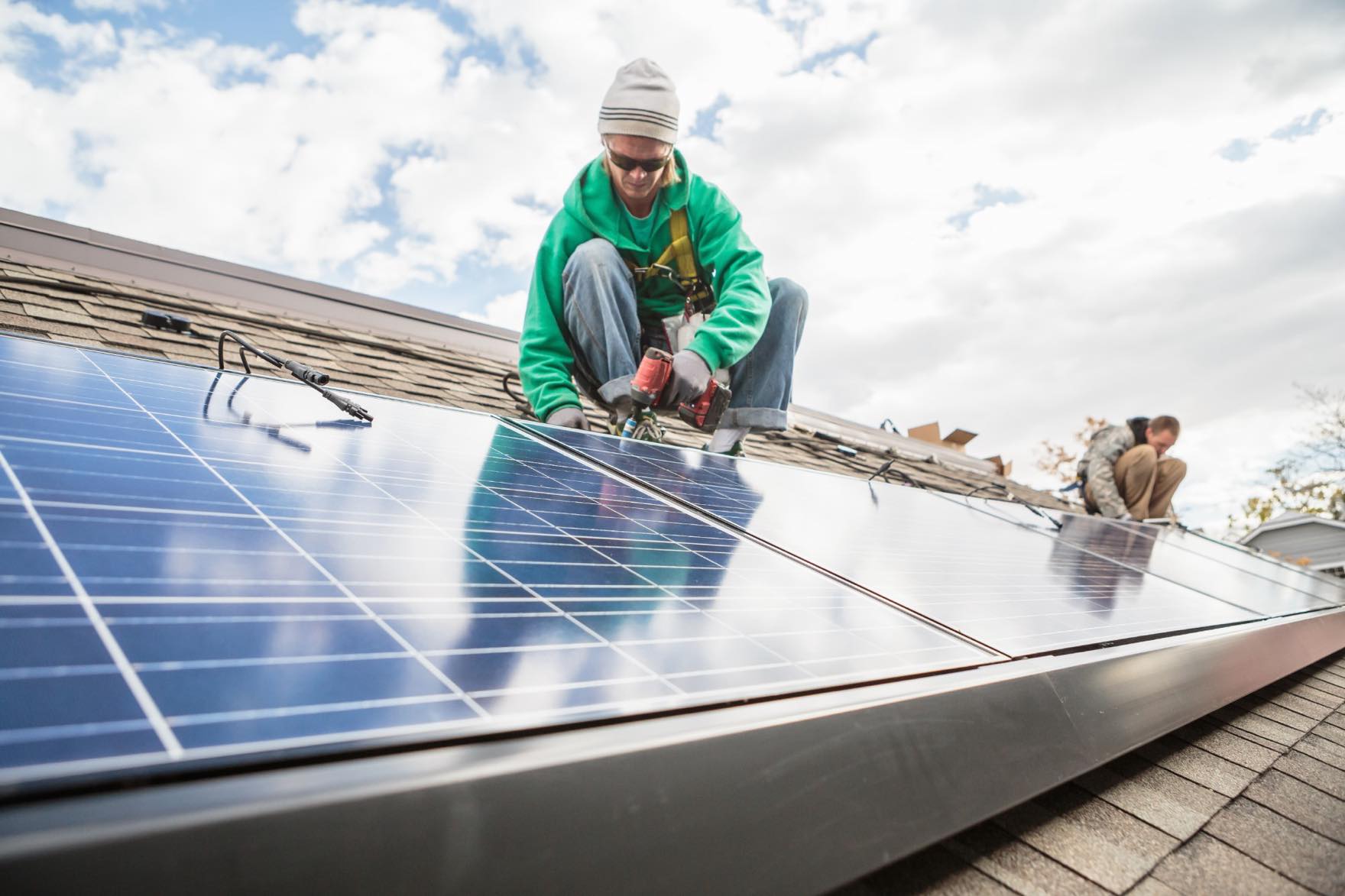
Installers assembling a ground-mounted solar array

The method

How it works.
No black box.

Four steps in the tool, and a sizing method you can read line by line on every result.

In the tool

Four steps, a few minutes.

  1. 01

    Choose the site

    Home, office, commercial building or industrial plant — then start from a ready scenario or a blank list.

  2. 02

    List the loads

    Appliances with quantity, power and running hours, split between sun hours and night. Or import a spreadsheet.

  3. 03

    Set backup & supply

    Grid-tied, hybrid or off-grid, single or three-phase, generator or not — and how long the essentials must run.

  4. 04

    Get the system

    Inverter, battery and array, string layout, matched products and a bill of materials — saved and shareable.

Under the hood

What drives each number.

Every factor below is printed on the result, so the working can be checked.

kW

Inverter

Sized against what it actually carries. On a hybrid that is the backed-up loads, off-grid it is every load, and on a grid-tied system it is the array alone. The checks are peak demand after diversity, motor starting surge and connected load. Only inverters matching the site’s phase are proposed.

kWh

Battery

Sized for the larger of two cases: an ordinary night, or the outage you specify. Conversion losses, depth of discharge and end-of-warranty capacity are then applied. The result is matched to whole battery modules that still deliver it when aged, and that can supply the backup peak.

kWp

Solar array

Daily energy plus the battery’s charging losses, divided by your site’s sun hours and system derate. The array is then strung so that each string stays inside the inverter’s voltage window on a hot roof and a cold morning, and within its input current.

BOM

Bill of materials

Inverters, battery modules and panels from the catalogue plus balance-of-system items, exportable as CSV and priced in your chosen currency.

An installer fixing a solar panel to a shingle roof

A planning tool

Fast first answers, then engineering.

The tool gives a defensible first sizing in minutes. Larger systems carry a review flag, and every design should be confirmed against manufacturer datasheets, a site survey and local wiring regulations before installation.

Read the user manual

Questions

Asked and answered.

What does the solar sizing tool calculate?

It calculates the hybrid inverter size in kW, the battery capacity in kWh and the solar array in kWp — then lays the panels out into strings, matches real products and lists a bill of materials.

Who is it for?

Homeowners, installers, EPCs, engineers and sales teams sizing residential, commercial and industrial systems from 1 kW up to 1 MW.

Is it free to use?

Yes. Create a free account to size systems, save them, and share the report.

How accurate is it?

It is a planning estimate built on standard engineering practice: daily and night-time energy from your load list, diversity, motor starting surge, conversion losses, battery depth of discharge and ageing, your site’s sun hours, and string voltages across temperature. Confirm every design against manufacturer datasheets, a site survey and local regulations.

Can I share or print the result?

Every saved sizing gets a report link you can share, a printable version and a bill of materials you can download as a CSV.

Free account · No credit card

Your system, sized
before the coffee cools.

We use cookies

Strictly necessary cookies keep you signed in and the tool working. The rest are optional and off unless you switch them on. See our cookie policy.